
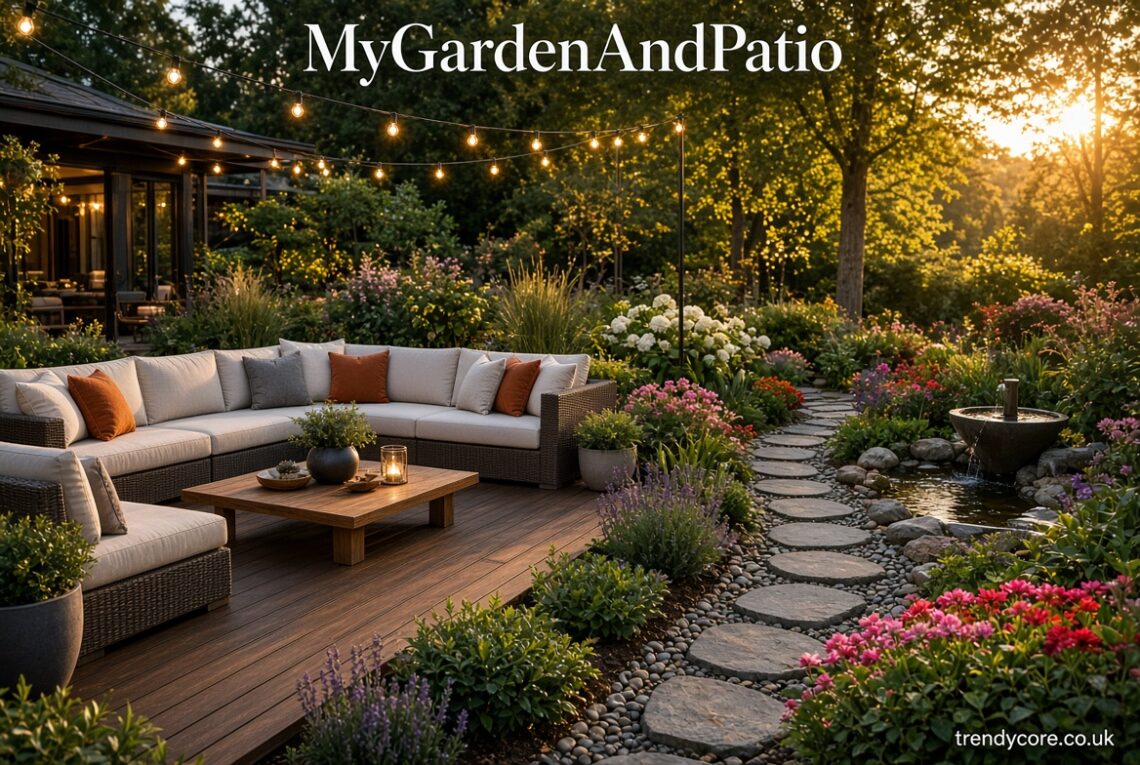
Your backyard has more potential than you might think. It’s not just grass and a fence it’s an extension of your home, waiting for the right ideas to come together. That’s exactly the kind of transformation people search for when they look up mygardenandpatio: practical, real-world inspiration for turning an ordinary outdoor area into a space you actually want to spend time in.
Whether you have a sprawling backyard or a narrow apartment balcony, the principles are the same. Good outdoor design blends comfort, function, and style. In this guide, we’ll walk through everything you need to know to plan, build, and maintain a garden and patio you’ll love no landscaping degree required.
Why Outdoor Living Spaces Matter More Than Ever
Over the past few years, homeowners have shifted how they think about the space outside their back door. It’s no longer an afterthought. It’s where morning coffee happens, where kids play, where friends gather on warm evenings. This shift is a big reason resources like mygardenandpatio have grown so popular — people want real guidance, not just glossy photos.
A well-designed patio and garden area does more than look nice. It can:
- Increase your home’s resale value
- Give you an affordable “vacation” without leaving your property
- Create a natural spot for entertaining guests
- Improve your mental wellbeing through time spent in nature
- Extend your usable living space without the cost of an addition
If you’ve been putting off your outdoor project, now is a good time to start planning.
Step 1: Define How You’ll Actually Use the Space
Before buying a single planter or piece of furniture, ask yourself a simple question: what do you want this space to do for you? This is the first thing any good mygardenandpatio-style guide will tell you, because skipping it leads to wasted money and a patio that never quite feels right.
Think through a few scenarios:
- Do you want a quiet reading nook, or a space built for entertaining?
- Will kids and pets be using the area regularly?
- Do you cook or grill outside often?
- Is privacy from neighbors a priority?
Your answers shape every decision that follows — from furniture size to plant selection to lighting.
Step 2: Choose the Right Layout
Once you know how you’ll use your space, layout comes next. A cramped, awkward patio rarely gets used, even if the furniture is beautiful. Here’s how to approach it.
Zoning Your Outdoor Area
Just like rooms inside your house, your garden and patio benefit from clear zones:
- Dining zone — a table, chairs, and enough clearance for people to move around comfortably
- Lounge zone — sofas, low tables, and soft seating for relaxing
- Cooking zone — a grill, prep counter, or outdoor kitchen setup
- Green zone — planting beds, raised gardens, or potted arrangements
You don’t need all four if your space is small. Even a tiny balcony can borrow this zoning logic on a smaller scale — a bistro table in one corner, a few potted herbs in another.
Hardscaping Basics
Hardscaping refers to the “hard” elements of your outdoor space: pavers, decking, walkways, and retaining walls. Choosing the right hardscape materials early on saves you from expensive changes later. Concrete pavers are budget-friendly and durable. Natural stone looks upscale but costs more. Composite decking resists rot and needs less maintenance than traditional wood.
Step 3: Pick Furniture That Works With Your Climate
Furniture is where many people overspend or underspend. The mygardenandpatio approach is simple: buy for durability first, style second.
| Material | Best For | Maintenance Level |
|---|---|---|
| Teak wood | Warm, dry climates | Low — ages naturally |
| Aluminum | All-weather use | Very low |
| Wicker/rattan (synthetic) | Casual, relaxed spaces | Low |
| Wrought iron | Classic, formal looks | Medium — needs rust checks |
| Cushioned outdoor fabric | Lounge seating | Medium — store in wet seasons |
If you live somewhere with harsh winters or heavy rain, prioritize weather-resistant materials over trendy ones. A gorgeous set that falls apart after one season isn’t a bargain.
Step 4: Bring in Plants and Greenery
No outdoor space feels complete without living plants. This is where garden design and patio design overlap most, and it’s a core part of what makes mygardenandpatio content so useful for beginners — it breaks plant selection down without overwhelming jargon.
Tips for Choosing Plants
- Match plants to your sunlight. Track how many hours of direct sun your space gets before buying anything.
- Mix heights and textures. Tall grasses, mid-height shrubs, and low ground cover create depth.
- Use containers for flexibility. Potted plants let you rearrange your layout without digging.
- Add fragrance. Lavender, jasmine, and rosemary make evenings on the patio feel special.
- Think seasonally. Choose a mix of plants so something is blooming most of the year.
Raised garden beds are another popular addition. They’re easier on your back, drain better than ground-level beds, and keep pests at a slight distance. If you’re new to gardening, start small — one or two beds with herbs and easy vegetables like tomatoes or peppers.
Step 5: Lighting Makes or Breaks the Evening
A patio that looks great at noon can feel flat and unusable after sunset without proper lighting. Layered lighting is the trick professionals use, and it applies just as well to a small balcony as a large backyard.
- Ambient lighting — string lights or lanterns for overall glow
- Task lighting — brighter fixtures near cooking or dining areas
- Accent lighting — small spotlights aimed at trees, statues, or garden beds
- Path lighting — low fixtures along walkways for safety
Solar-powered options have improved a lot in recent years and are worth considering if running electrical wiring outdoors isn’t practical for your setup.
Step 6: Add Shade and Privacy
Comfort outdoors often comes down to two things: shade and privacy. Nobody wants to sit in direct sun for hours, and few people relax fully if they feel exposed to neighbors.
Shade solutions worth considering:
- Pergolas with retractable canopies
- Market umbrellas for flexible, movable shade
- Shade sails for a modern look at a lower cost than a full structure
- Fast-growing trees, if you’re planning years ahead
For privacy, tall planters with dense shrubs, lattice panels covered in climbing vines, or a simple outdoor curtain can all work without the cost of a full fence rebuild.
Budget-Friendly Ways to Upgrade Your Space
Not every improvement requires a big budget. Some of the most satisfying garden and patio upgrades cost very little and take only a weekend to finish.
- Repaint or restain existing furniture. A faded set can look brand new with a fresh coat.
- Add a rug. Outdoor rugs instantly make a paved area feel like a “room” rather than empty concrete.
- Repurpose containers. Old buckets, crates, and even tires can become planters with a little cleanup.
- Shop end-of-season sales. Furniture and decor prices drop sharply once summer winds down.
- Swap instead of buy. Cuttings and seedlings from neighbors or local plant swaps cost nothing and often grow better in your local climate.
- Focus on one focal point. A single striking element — a fire pit, a hammock, a statement planter — can anchor a whole space without a full redesign.
Small, budget-conscious changes made consistently over a year or two often produce better results than one expensive overhaul done all at once. It’s a slower approach, but it’s also more forgiving if your taste changes along the way.
Small-Space Solutions
Not everyone has a large backyard, and that’s fine. Balconies, courtyards, and narrow side yards can still become genuinely enjoyable outdoor spaces with a few adjustments.
- Go vertical. Wall-mounted planters and trellises free up floor space for seating.
- Choose foldable or stackable furniture. It’s easier to reconfigure a small area when pieces can be tucked away.
- Stick to a tight color palette. Too many colors in a small space can feel cluttered.
- Use mirrors carefully. An outdoor-rated mirror can make a tight courtyard feel larger.
Even a five-by-five-foot balcony can host a small table, two chairs, and a handful of potted herbs — enough for a genuinely relaxing routine each morning.
Frequently Asked Questions
How much should I budget for a full patio and garden makeover? It depends heavily on the size of your space and whether you handle work yourself. A modest DIY refresh might cost a few hundred dollars, while a full professional renovation with new hardscaping can run into the thousands.
What’s the easiest first project to tackle? Furniture placement and a few potted plants. Both are reversible, affordable, and make an immediate visual difference.
Do I need irrigation if I only have a few plants? Not necessarily. A watering can and a consistent routine work fine for small container gardens. Irrigation systems become more useful once you have larger beds or a busy schedule.
How often should I replace outdoor furniture cushions? Quality cushions with UV-resistant fabric typically last three to five years outdoors, depending on climate and how well they’re stored during off-seasons.
Common Mistakes to Avoid
Even with good intentions, it’s easy to make missteps when designing a garden and patio. Here are the ones that come up again and again:
- Buying furniture before measuring the space. Oversized sets make patios feel cramped.
- Ignoring drainage. Poor drainage leads to standing water and plant root rot.
- Overplanting too fast. Start smaller than you think you need — plants grow.
- Skipping maintenance planning. Every material, from wood to fabric, needs some upkeep.
- Forgetting the transition zone. The area right outside your door should feel like a natural extension of your interior style.
Pros and Cons of DIY vs. Hiring a Professional
| DIY Approach | Professional Design | |
|---|---|---|
| Cost | Lower upfront cost | Higher upfront investment |
| Timeline | Flexible, but often slower | Faster, structured timeline |
| Customization | Full creative control | Guided by expert recommendations |
| Risk of mistakes | Higher, especially with hardscaping | Lower, backed by experience |
| Best for | Small updates, container gardens, furniture swaps | Full renovations, structural changes, complex drainage |
Many homeowners land somewhere in the middle — handling the plants and decor themselves while hiring help for hardscaping or electrical work.
Seasonal Maintenance Checklist
Keeping a garden and patio looking good year-round doesn’t require a huge time commitment if you stay consistent.
Spring: Clean furniture, refresh mulch, check irrigation, plant new additions. Summer: Water consistently, deadhead flowers, watch for pests, provide extra shade during heat waves. Fall: Trim back perennials, clear leaves from drains, store cushions before cold weather. Winter: Cover or store furniture, protect potted plants from frost, plan next year’s layout.
Sticking to a simple seasonal rhythm keeps your outdoor space from falling into disrepair — and it makes next year’s setup much easier.
Final Thoughts
Creating a beautiful garden and patio isn’t about spending a fortune or following every design trend. It’s about understanding how you actually want to use your outdoor space, then making thoughtful choices about layout, furniture, plants, and lighting that support that vision. Start with one zone if the whole project feels overwhelming — even a single well-designed corner can transform how you experience your backyard.
If you’re just getting started, keep it simple: pick one or two changes from this guide, whether that’s adding string lights, planting a few pots of herbs, or rearranging your furniture into proper zones. Small, consistent improvements add up. That’s the real philosophy behind mygardenandpatio — steady progress toward an outdoor space that feels like yours.
Ready to get started? Walk outside, take a look at your space with fresh eyes, and pick your first project this weekend.
You may also Like: Recyclatanteil



One comment on “MyGardenAndPatio: Your Complete Guide to Building a Beautiful Outdoor Space”