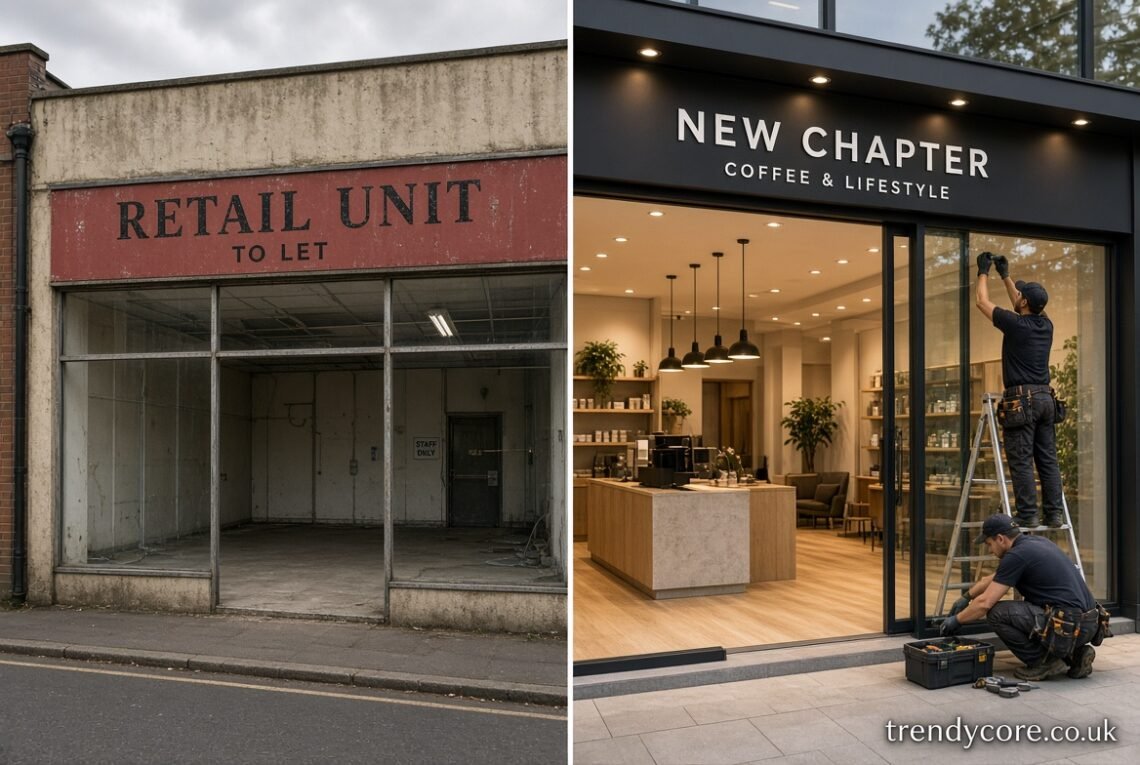
Your building says something about your business before a single word is spoken. Peeling paint, outdated layouts, and tired fixtures tell customers you’re not paying attention. A fresh, functional space tells them the opposite. That’s why so many business owners eventually start searching for commercial remodeling contractors who can turn a dated property into something that actually works for the way they operate today.
This guide walks through everything you need to know before you sign a contract: what these professionals do, how to vet them, what a project really costs, and the mistakes that trip up even experienced property owners.
What Do Commercial Remodeling Contractors Actually Do?
Commercial remodeling contractors handle the planning, permitting, and construction work involved in updating a business property. That can mean anything from reconfiguring an office floor plan to gutting a retail storefront down to the studs.
Unlike residential contractors, they work under commercial building codes, which are stricter around fire safety, accessibility, electrical load, and occupancy limits. They also coordinate with architects, engineers, and city inspectors people a homeowner’s contractor rarely has to deal with.
Typical projects include:
- Office build-outs and layout reconfigurations
- Retail storefront renovations
- Restaurant and commercial kitchen remodels
- Medical and dental office upgrades
- Warehouse and industrial facility improvements
- ADA compliance and accessibility retrofits
- HVAC, electrical, and plumbing system overhauls
Because the scope varies so much, the right contractor for a boutique retail remodel isn’t necessarily the right fit for a multi-floor office renovation. Experience in your specific industry matters more than most people realize.
Signs Your Business Needs a Remodel
Not every business needs a full-scale renovation. Sometimes a smaller refresh does the job. Here are a few signals it’s time to call in professional help:
- Your layout no longer matches how your team actually works
- Foot traffic or sales have dropped and the space feels outdated
- You’re expanding, downsizing, or changing how the space is used
- Maintenance costs keep climbing due to aging systems
- You’ve received code violations or accessibility complaints
- Your brand has evolved but your physical space hasn’t
If two or more of these sound familiar, it’s worth getting a walkthrough and a quote before problems get more expensive to fix.
How to Choose the Right Commercial Remodeling Contractors
Hiring the wrong company can cost you months of delays and thousands of dollars in rework. Here’s what separates the reliable firms from the risky ones.
Licensing, Insurance, and Experience
Always confirm a contractor holds an active commercial license in your state, along with general liability and workers’ compensation insurance. Ask how many years they’ve spent specifically on commercial work not residential since the two require different permitting processes and code knowledge.
It also helps to ask about bonding. A bonded contractor gives you financial protection if the project falls through partway.
Portfolio and Client References
A strong portfolio should include projects similar in size and industry to yours. Don’t just look at photos call at least two or three references and ask direct questions:
- Did the project finish on time and on budget?
- How did the contractor handle unexpected issues?
- Was communication clear throughout?
- Would you hire them again?
Honest answers here tell you more than any sales pitch.
Communication and Project Management
Commercial projects involve moving parts: subcontractors, inspectors, suppliers, and your own staff trying to keep the business running. A contractor who communicates clearly, sets realistic timelines, and answers questions quickly will save you enormous stress. During your first conversation, notice whether they listen to your goals or just push their own process.
Cost Factors to Consider
Pricing varies widely depending on scope, location, and the condition of the existing space. The table below breaks down the major cost drivers.
| Factor | Why It Matters |
|---|---|
| Square footage | Larger spaces mean more materials, labor, and time |
| Scope of work | Cosmetic updates cost far less than structural changes |
| Permits and inspections | Vary by city and project type; delays add cost |
| Materials and finishes | High-end finishes can significantly raise the budget |
| Electrical and plumbing changes | Rerouting systems is one of the priciest line items |
| Timeline | Rush jobs or off-hours work often carry a premium |
| Location | Labor and material costs shift regionally |
Most contractors offer free walkthroughs and written estimates. Get at least three quotes before deciding, and make sure each one breaks down labor, materials, and permit fees separately so you’re comparing apples to apples.
DIY vs. Hiring a Professional: Pros and Cons
Some business owners consider handling smaller updates themselves to save money. Here’s an honest look at both paths.
DIY or in-house maintenance team
Pros:
- Lower upfront cost for minor cosmetic work
- More control over scheduling
- No need to coordinate outside crews
Cons:
- No access to commercial permitting expertise
- Higher risk of code violations
- Limited liability protection if something goes wrong
- Slower progress without dedicated crews
Hiring licensed commercial remodeling contractors
Pros:
- Code compliance and permitting handled for you
- Access to skilled subcontractors and bulk material pricing
- Faster completion with dedicated crews
- Insurance coverage if accidents or damage occur
Cons:
- Higher upfront investment
- Requires vetting and contract negotiation
- Scheduling depends on the contractor’s availability
For anything involving structural, electrical, or plumbing work — or anything affecting occupancy and safety codes — professional help isn’t optional. It’s required.
What to Expect During the Project Timeline
A typical commercial remodel moves through four general phases:
- Planning and design — Site assessment, budgeting, and design drafts. This can take two to six weeks depending on complexity.
- Permitting — Local approval before construction begins. Timelines vary by city, sometimes stretching several weeks.
- Construction — The build itself, ranging from a few weeks for cosmetic work to several months for full renovations.
- Final inspection and walkthrough — Code inspection, punch-list fixes, and handover.
Ask any contractor you’re considering for a realistic timeline in writing, including buffer time for permitting delays and material shortages. Businesses that stay open during construction should also ask about phased work schedules to minimize disruption.
Questions to Ask Before Signing a Contract
Before committing, run through this checklist:
- Are you licensed and insured for commercial work in this state?
- Can you provide references from similar projects?
- What’s your estimated timeline, including permitting?
- How do you handle change orders and unexpected costs?
- Who will be my main point of contact during the project?
- What warranty do you offer on completed work?
- Will my business need to close, and if so, for how long?
A contractor who answers these clearly and without hesitation is usually one worth trusting.
Common Mistakes to Avoid
Even careful business owners run into the same pitfalls when hiring commercial remodeling contractors. Watch out for these:
- Choosing the lowest bid without checking credentials. A cheap quote often means corners will be cut somewhere.
- Skipping the contract details. Always get scope, timeline, and payment terms in writing.
- Ignoring permits. Unpermitted work can lead to fines or forced teardown later.
- Underestimating downtime. Plan for disruption to daily operations, even with phased construction.
- Not budgeting for surprises. Older buildings often reveal hidden issues once walls come down. Keep a 10–15% contingency fund.
Avoiding these mistakes early saves both money and headaches down the road.
Final Thoughts
A commercial remodel is one of the more significant investments a business owner makes, but it’s also one of the most visible. The right space can boost morale, improve efficiency, and make a stronger impression on every customer who walks through the door. Take the time to vet your options, ask hard questions, and compare quotes carefully — the effort pays off in a space that actually works for your business long after the crew has packed up and gone home.
If you’re ready to move forward, start by requesting walkthroughs from a few licensed, experienced firms in your area and compare their proposals side by side before making your final call.
You may also Like: MyGardenAndPatio